Bill QA doesn’t sound exciting. Until your cash flow depends on it.
What a billing transformation taught me about Revenue Assurance, and about data quality.
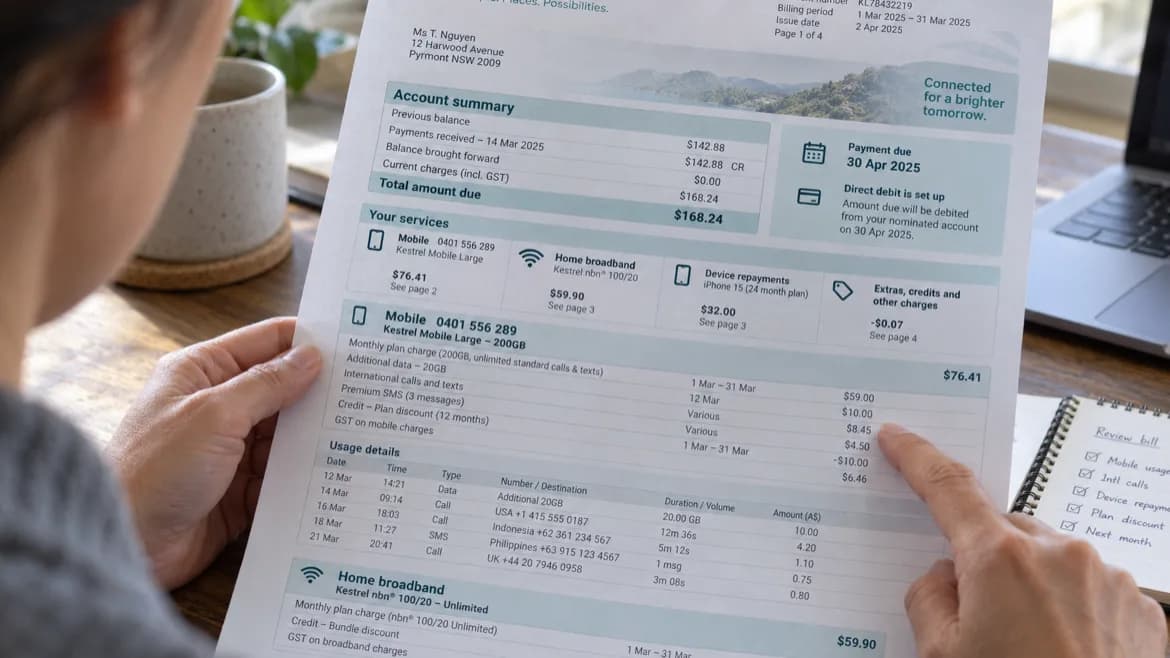
During a large billing and customer care transformation I worked on, a project called Bill QA helped identify bills with known errors so they could be held while others went out.
That helped keep billing moving, gave the programme options for containing defects, and helped prioritise fixes by the billing value they could release.
Doesn’t sound particularly exciting, does it? But when your revenue is in the billions, getting the bills out matters.
For those that are planning, executing or closing out a billing transformation those are important decisions to get right.
Isn’t that what testing is for?
When I first heard about Revenue Assurance, that was my reaction. We test that software meets the requirements. Why do we need another activity to assure it works?
Working this transformation helped me understand the distinction.
Testing provides evidence under the conditions tested. Revenue Assurance follows what actually happens across customers, transactions and systems, and checks whether the business gets the intended outcome.
Telcos are a great place to learn this. Customers, orders, products, network usage, rates and discounts all need to line up. The billing calculation can be correct and still produce the wrong bill if the wrong information reaches it.
Three decisions that mattered
We built infrastructure to reconcile data across billing systems, CRMs, fulfilment platforms and other sources. Bill QA applied that work to three practical decisions.
1. Which bills can go out? Identifying exceptions meant valid bills didn’t all need to wait while defects were investigated. Sending those bills allowed collection to proceed and helped protect cash flow.
2. Can the defect be contained? Where affected bills could be reliably identified and held, a billing defect didn’t necessarily require a broader rollback. We had options while a fix was prepared.
Some defects still required urgent intervention. The value was having evidence to make that decision.
3. What should we fix first? Connecting defects to the bills they held up provided a commercial basis for prioritising remediation.
Which fix would release the most billing value? Which problem was creating customer harm or the most manual work?
A defect count couldn’t answer those questions.
What this taught me about data quality
Over the years, working across industries and countries, I’ve learnt to assess data quality issues through their impact on financial performance, customer experience and operational effort.
An issue can affect one or all three. This perspective tells you far more about its priority than knowing a field failed a quality check.
I’ve come to understand data quality as a symptom of a broader challenge, managing change effectively across your organisation. In this situation Data Quality is first a symptom and can often be the cause of many more issues.
Knowing how data flows through your organisation, the inputs and outputs processes require to make your business run, and how it contributes to your value chain is the first step to understanding how to control the risk.
It helps to identify the change that needs managing across the business, and gives you a chance to intervene before the consequences grow.
Before a billing transformation hands over to operations, I’d want a clear answer to this:
Can we distinguish what can proceed, what needs to be held, and what deserves fixing first?
If you’re approaching cutover or working through stabilisation, we help establish those controls and connect technical issues to their financial, customer and operational consequences. It’s what we do. If that’s a conversation you need to have, we’d love to chat.